Hey there! I’m a supplier of protective clothing, and today I wanna chat about the differences between different levels of protective clothing. It’s super important to understand these differences, whether you’re in a high – risk industry or just need some basic protection. Protective Clothing
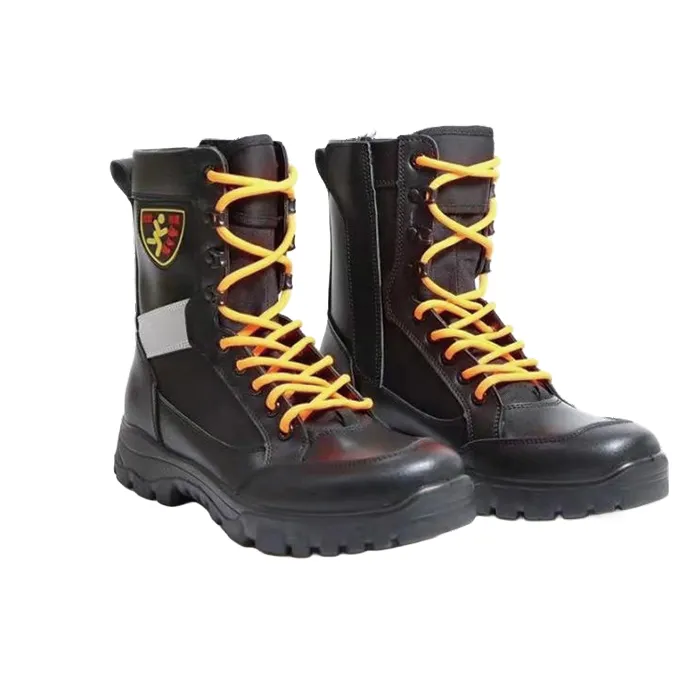
Let’s start with the most basic level of protective clothing. This is the stuff you’ll often see in everyday workplaces where the risks are relatively low. For example, in an office environment where there might be a bit of dust or the occasional spill. Basic protective clothing usually includes things like cotton overalls or aprons.
These cotton items are great because they’re comfortable and breathable. You can wear them all day without feeling too hot or restricted. They’re also easy to clean, which is a big plus. But they don’t offer much in terms of protection against chemicals, sharp objects, or high – heat situations. If you accidentally splash a bit of water on them, they’ll probably be fine, but if it’s a strong acid or a caustic substance, they won’t do much to stop it from reaching your skin.
Next up is the intermediate level of protective clothing. This is where things start to get a bit more serious. Intermediate protective clothing is designed for workplaces where there are moderate risks. Think of industries like food processing, light manufacturing, or automotive repair.
In these settings, you might need protection against things like mild chemicals, small splashes of oil, or minor abrasions. Intermediate protective clothing often comes in the form of synthetic fabrics. Polyester and nylon blends are common because they’re more durable than cotton and can resist some chemicals.
These clothes usually have some kind of coating or treatment to enhance their protective properties. For example, they might be water – repellent or have a bit of anti – static protection. They’re also more likely to have reinforced seams and areas that are prone to wear and tear. But they still aren’t suitable for high – risk situations where there’s a lot of exposure to dangerous chemicals or extreme heat.
Now, let’s talk about the high – level protective clothing. This is the heavy – duty stuff that’s designed for the most dangerous work environments. Industries like chemical manufacturing, oil and gas exploration, and firefighting rely on high – level protective clothing to keep their workers safe.
High – level protective clothing is made from specialized materials that can withstand extreme conditions. For example, in chemical plants, workers might wear suits made from materials like Tyvek or Gore – Tex. These materials are resistant to a wide range of chemicals, including acids, bases, and solvents. They form a barrier between the worker’s skin and the hazardous substances, preventing them from coming into contact.
In firefighting, the protective clothing is designed to withstand high temperatures and flames. It’s often made with layers of fire – resistant materials, such as Nomex. These suits also have features like reflective strips to make the firefighters more visible in smoky conditions.
High – level protective clothing is also very expensive and requires a lot of maintenance. It needs to be regularly inspected for damage and decontaminated after use. But it can mean the difference between life and death in a high – risk situation.
Another important aspect to consider is the certification of protective clothing. Different levels of protective clothing have different certifications. For basic protective clothing, there might not be any specific certification requirements. But for intermediate and high – level protective clothing, certifications are crucial.
For example, in Europe, the CE mark indicates that the protective clothing meets certain safety standards. In the United States, the National Fire Protection Association (NFPA) sets standards for firefighting protective clothing. These certifications ensure that the clothing has been tested and proven to provide the level of protection it claims to offer.
When choosing protective clothing, it’s not just about the level of protection. Comfort is also a big factor. If the clothing is too heavy, too hot, or too restrictive, workers are less likely to wear it properly. And if they don’t wear it properly, the protection it offers is useless.
That’s why we, as a protective clothing supplier, focus on not only providing high – quality protection but also ensuring that our products are comfortable. We use the latest materials and design techniques to make sure that our clothes fit well and allow for a full range of motion.
We also understand that different workplaces have different needs. That’s why we offer a wide variety of protective clothing options. Whether you need basic cotton overalls for a low – risk office job or a full – fledged chemical – resistant suit for a high – tech laboratory, we’ve got you covered.
If you’re in the market for protective clothing, it’s important to do your research. Look at the specific risks in your workplace and determine what level of protection you need. Don’t just go for the cheapest option, because it might not provide the protection you require.
And that’s where we come in. We’re here to help you make the right choice. Our team of experts can assess your needs and recommend the best protective clothing for your situation. We’ve been in the business for a long time, and we know what works and what doesn’t.
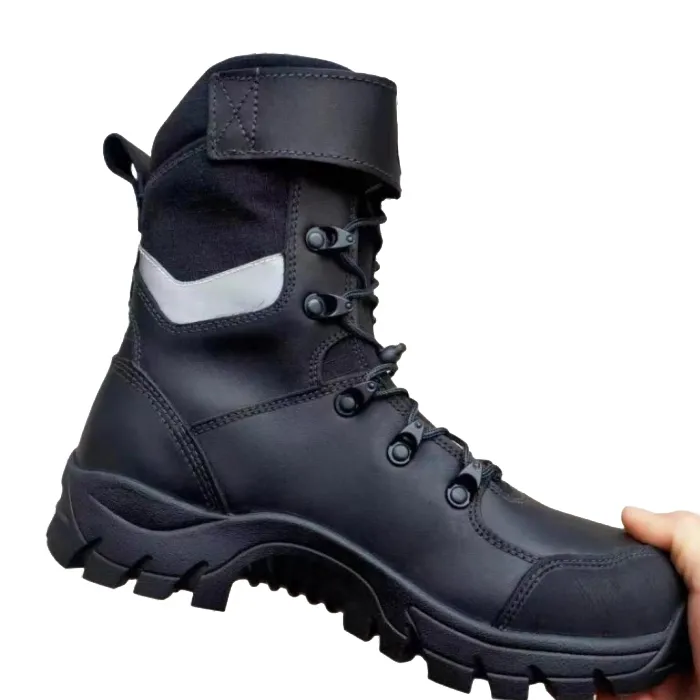
So, if you’re interested in learning more about our protective clothing or want to discuss your specific requirements, don’t hesitate to reach out. We’re always happy to have a chat and help you find the perfect protective clothing for your workplace.
Chainsaw References:
- "Occupational Safety and Health Administration (OSHA) Guidelines on Protective Clothing"
- "European Standards for Protective Clothing"
- "National Fire Protection Association (NFPA) Publications on Firefighting Protective Clothing"
Zhenjiang Linhao Forest Fire Prevention Equipment Co., Ltd.
Zhenjiang Linhao Forest Fire Prevention Equipment Co., Ltd. is one of the most reliable manufacturers and suppliers of protective clothing in China, featured by quality products and low price. Please rest assured to wholesale customized protective clothing from our factory. Contact us for quotation and free sample.
Address: No.16,Fenghuangshan Road, Runzhou District, Zhenjiang City, Jiangsu Province
E-mail: lh@lhfirefighting.com
WebSite: https://www.lhfirefighting.com/
