In today’s highly competitive manufacturing landscape, the pursuit of enhanced productivity has become a top priority for factories across the globe. One technological innovation that has significantly transformed the welding process and revolutionized factory productivity is the external – axis welding robot. As a supplier of external – axis welding robots, I have witnessed firsthand the profound impact these machines can have on factory operations. In this blog post, I will delve into how external – axis welding robots affect productivity in a factory. External-Axis Welding Robots
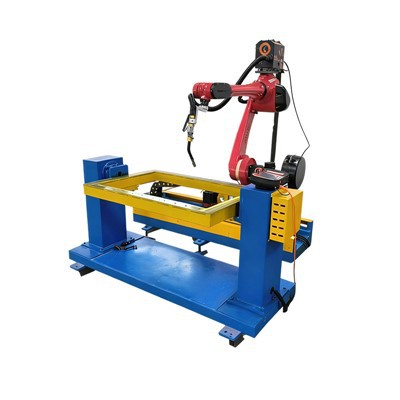
1. Precision and Consistency in Welding
One of the most significant advantages of external – axis welding robots is their ability to deliver unparalleled precision and consistency in welding. Unlike human welders, who may experience fatigue, distractions, or minor variations in technique over time, robots can perform repetitive welding tasks with exacting precision every single time.
The external – axis feature allows the robot to move along multiple axes, providing a greater degree of flexibility and reach. This means that it can access hard – to – reach areas and perform complex welding patterns with ease. For example, in the automotive industry, where precision is crucial for the safety and performance of vehicles, external – axis welding robots are used to weld components such as frames, engine mounts, and exhaust systems. The consistent quality of the welds ensures that the final products meet the strictest industry standards, reducing the likelihood of defects and rework.
By eliminating human error and delivering consistent weld quality, external – axis welding robots can significantly improve the overall productivity of a factory. Fewer defective products mean less time spent on rework and inspection, allowing the factory to focus on producing more high – quality goods in a shorter period.
2. Increased Welding Speed
External – axis welding robots are capable of welding at much higher speeds than human welders. These machines can operate continuously without breaks, fatigue, or the need for rest periods. They can also be programmed to optimize the welding process, adjusting parameters such as welding speed, current, and voltage in real – time to achieve the fastest possible welding speed while maintaining high – quality welds.
In a factory setting, the increased welding speed translates into a higher production rate. For instance, in a large – scale manufacturing plant that produces steel structures, an external – axis welding robot can complete a welding job in a fraction of the time it would take a human welder. This not only allows the factory to produce more products in a given time frame but also helps to meet tight production deadlines, which is essential for maintaining customer satisfaction and competitiveness in the market.
3. Improved Safety in the Workplace
Welding is a hazardous occupation that exposes workers to various risks, including burns, eye damage, and inhalation of toxic fumes. By introducing external – axis welding robots into the factory, these risks can be significantly reduced. Robots can perform welding tasks in environments that are dangerous or uncomfortable for human workers, such as confined spaces, areas with high temperatures, or locations with a high concentration of fumes.
This improved safety in the workplace has a direct impact on productivity. When workers are not exposed to dangerous working conditions, they are less likely to suffer from work – related injuries or illnesses, which can lead to absenteeism and lost productivity. Additionally, a safer workplace can also boost employee morale, as workers feel more valued and protected by their employer.
4. Flexibility and Adaptability
External – axis welding robots offer a high degree of flexibility and adaptability in factory operations. They can be easily reprogrammed to perform different welding tasks, allowing factories to quickly switch between different product lines or adapt to changes in production requirements.
For example, in a job – shop environment where a variety of custom – made products need to be welded, an external – axis welding robot can be programmed to handle different part geometries and welding specifications. This eliminates the need for expensive and time – consuming tooling changes that would be required if using traditional welding methods. The ability to quickly adapt to new production demands enables factories to respond more effectively to market changes, increasing their competitiveness and overall productivity.
5. Integration with Other Manufacturing Processes
External – axis welding robots can be integrated seamlessly with other manufacturing processes, such as material handling and quality control systems. This integration allows for a more streamlined and efficient production process, reducing the time and effort required to move parts between different stages of production.
For instance, a robot can be programmed to pick up a part from a conveyor belt, weld it, and then place it back on the conveyor for further processing or quality inspection. This eliminates the need for manual handling of parts, reducing the risk of damage and improving the overall flow of the production line.
Moreover, the data collected by the welding robot during the welding process can be integrated with the factory’s quality control system. This data can be analyzed to identify potential quality issues in real – time, allowing for immediate corrective action to be taken. By ensuring that only high – quality products are produced, the factory can avoid costly recalls and maintain a good reputation in the market.
6. Reduced Labor Costs
While the initial investment in an external – axis welding robot may be significant, the long – term cost savings in terms of labor can be substantial. Welding is a labor – intensive process, and the cost of hiring and training skilled welders can be high. Additionally, human welders may require benefits such as health insurance, paid time off, and retirement plans, which add to the overall labor cost.
In contrast, an external – axis welding robot can perform the work of multiple welders with a single machine. Once the robot is installed and programmed, the ongoing operating costs are relatively low, mainly consisting of electricity, maintenance, and occasional software updates. Over time, the savings in labor costs can offset the initial purchase price of the robot, resulting in significant cost savings for the factory.
7. Long – term Productivity and Competitiveness
By investing in external – axis welding robots, factories can improve their long – term productivity and competitiveness in the global market. The increased precision, speed, safety, flexibility, and integration capabilities of these robots allow factories to produce high – quality products more efficiently and at a lower cost.
In an era where customers demand high – quality products at competitive prices and on short lead times, factories that embrace external – axis welding robot technology are better positioned to meet these demands. They can gain a competitive edge over their rivals by offering more reliable products, faster delivery times, and lower prices.
As a supplier of external – axis welding robots, I understand the unique needs and challenges of factories in different industries. Our robots are designed to be user – friendly, reliable, and cost – effective, helping factories to achieve their productivity goals. If you are interested in learning more about how our external – axis welding robots can enhance the productivity of your factory, I encourage you to reach out to us for a consultation. We can provide you with detailed information about our products, conduct a site assessment, and develop a customized solution that meets your specific requirements.
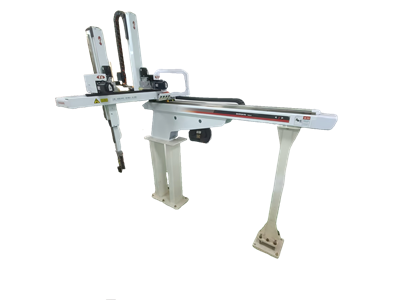
Palletizing/Depalletizing Robot In conclusion, external – axis welding robots have a profound and positive impact on factory productivity. From improving precision and speed to enhancing safety and flexibility, these robots offer a wide range of benefits that can help factories to stay competitive in today’s fast – paced manufacturing environment. If you are looking to take your factory’s productivity to the next level, consider investing in external – axis welding robot technology.
References
- Groover, M. P. (2010). Automation, Production Systems, and Computer – Integrated Manufacturing. Prentice Hall.
- Alting, L., & Zhang, H. (1999). Manufacturing Systems: An Introduction. Springer.
- Chryssolouris, G. (2006). Manufacturing Systems: Theory and Practice. Springer.
Dongguan Chuanglida Intelligent Equipments Co., Ltd.
Address: Room 201, Building 2, No. 61, Shachang 1st Road, Dalang Town, Dongguan City, Guangdong Province
E-mail: haoguangli001@outlook.com
WebSite: https://www.boruntestech.com/
