Hey everyone,
I’m Jake from the fastening systems team, and I get it—when you’re sourcing fasteners, it’s easy to just grab whatever specs look good on a datasheet and call it a day. But let’s be real: a fastener that works on a CAD screen might turn into a total headache once it’s on a factory line, a construction site, or even in a piece of heavy machinery that can’t afford downtime. That’s why testing the strength of your fastening system isn’t just a “nice-to-have” step—it’s the only way to avoid costly failures, safety issues, and all the late-night panic calls to your supplier (guilty, I’ve been on both ends of that). Fastening Systems
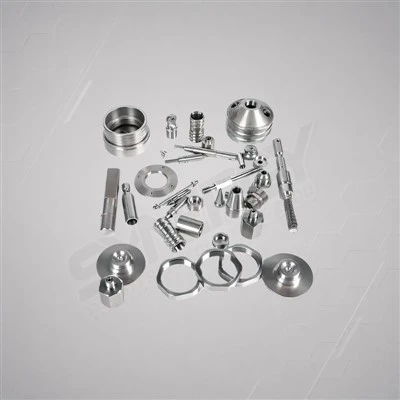
Today, I’m walking you through exactly how we test our fastening systems here, the stuff we don’t put on datasheets, and what you should actually ask your supplier before committing. No stuffy jargon, no generic checklists—just real, practical stuff we use every single day.
First off, let’s get one thing straight: a “fastening system” isn’t just a bolt. It’s everything: the bolt/ screw/ stud, the nut or washer, the thread locking compound if you use it, even the surface finish on the parts it’s clamping. Test one part in isolation and you’re missing half the story. We learned that the hard way a few years back when a client tested just their bolts, skipped the washers, and ended up with 300 faulty assemblies in the field. Oops.
So let’s break this down into the actual tests we run in our lab, starting with the most basic (and most often skipped) stuff.
Tensile Testing: The “Pull It Until It Breaks” Test
Tensile testing is the big one everyone thinks of, but most people don’t do it right. Here’s the deal: tensile strength is how much pull force a fastener can take before it snaps. But it’s not just about the max number—it’s about how it breaks. Is it a clean, even snap (meaning it’s at full strength, no material defects) or a jagged, messy break (that’s a red flag for bad material, wrong heat treatment, or even a counterfeit part)?
Here’s how we do it at our lab: we mount a test fastener into a universal testing machine (UTM)—think of it as a super strong, precision tug-of-war rope. We pull it at a steady, controlled rate (not too fast, not too slow—10 mm per minute for most metric fasteners) until it snaps. The machine logs every single data point: force over time, elongation (how much it stretches before breaking), and the exact breaking point.
Last quarter, we had a batch of M12 bolts come in from a new supplier. Their datasheet said they hit 8.8 grade (standard medium-carbon steel, minimum 800 MPa tensile strength), but when we tested them, they only hit 720 MPa. The break was also way more brittle than our standard bolts. Turns out they cut corners on the heat treatment. That’s exactly why you need to do this test yourself or have your supplier do it in their lab—we saved that client a ton of grief by catching that before they installed them.
Pro tip: Don’t just test one bolt. Test at least 5–10 from the same batch. Material variations happen, and one bad bolt doesn’t mean the whole batch is garbage, but 3 out of 5 that fail low? Run.
Shear Testing: The “Push It Sideways” Test
Tensile is pulling straight, but shear is sideways force—and this is where 90% of field failures happen. Think about a bolt holding two metal plates together on a crane arm. If the arm shifts, the bolt is being pushed sideways, not pulled straight. Tensile strength doesn’t matter here; shear strength does.
Shear testing is trickier because you have to replicate real-world clamping loads. If you just push the bolt straight sideways without clamping the plates, you’re getting a fake number. We use a double-shear test setup for most of our industrial fasteners: we put the bolt through three plates (two outer, one middle) and clamp them with the standard torque the client would actually use. Then we push the middle plate sideways until the bolt shears.
A few years back, a construction company came to us complaining that their anchor bolts were snapping on concrete forms. They’d tested tensile strength, which was fine, but they never tested shear—when concrete is poured, the forms shift a little, creating that sideways force. We ran shear tests and found their original bolts had a shear rating 40% lower than what they needed. Switched them to our grade 10.9 bolts, and they haven’t had a form failure since.
Also, pay attention to thread stripping in shear. Sometimes instead of the bolt breaking, the threads strip out of the nut. That’s not a fastener problem—that’s a nut or thread engagement problem. We always check that too, because if threads strip, even a “strong” bolt is useless.
Torque & Preload Testing: The “Tighten It Right” Test
Here’s the part most people get wrong: torque is not preload. Torque is how hard you turn the wrench. Preload is the actual clamping force the fastener creates between the two parts. That’s the number that matters. If you tighten a bolt with 50 Nm of torque, you might get 10 kN of preload one time, 15 kN the next, because of friction from the thread lubricant, washer finish, or even rust.
We test preload with a load cell during torque applications. What we do: we mount a bolt with a nut, a standard washer, and any surface coating the client uses, then apply torque step by step while measuring the force between the two plates. We also test what happens when the fastener is loosened and re-tightened—because in some applications, you’re taking it apart and putting it back together (like machinery maintenance). We once had a client that re-tightened their bolts every 6 months, and the preload dropped 30% after the first re-torque. That led us to develop a special thread coating that keeps preload consistent even after multiple tightening cycles.
Real-world example: A farmer reached out to us last year, saying his combine’s header bolts kept falling loose. He was tightening them with a wrench, but because of the vibration from the combine, the preload was disappearing within a week. We tested different thread locking methods, found that a medium-strength thread locker combined with our serrated washers kept preload stable for 3 months (which is way longer than his harvest season). Torque alone wasn’t enough—we had to match torque to preload for his specific vibration issue.
Environment Testing: The “Put It Through Hell” Test
Fasteners don’t live in a perfect lab. They’re outside in rain, salt air (hello, ship parts or coastal construction), extreme cold or heat, even chemicals like fertilizer or road salt. If you test a bolt in a lab at 70°F and it’s going to be on an oil rig in the North Sea, that test is useless.
We run all kinds of environment tests. The most common are salt spray testing (ASTM B117, if you want the standard number) where we blast the fastener with a salt water mist for 500, 1000, even 2000 hours, then test its strength to see if corrosion ate away at it. We also do temperature cycling: run it from -40°F to 200°F over and over, because different metals expand and contract at different rates, which can loosen a fastener or crack its coating.
Last year, a client making solar farm mounting structures came to us. Their original fasteners were rusting after 18 months in Arizona’s sun and monsoons. We tested 3 batches of fasteners: standard zinc-plated, hot-dip galvanized, and our new cerakote-coated fasteners. Salt spray testing showed the zinc ones failed at 200 hours, galvanized at 800, cerakote at 1800. We recommended the cerakote ones, and they’ve had zero corrosion issues in 2 years.
We also do chemical immersion tests—like testing fasteners that will be in contact with battery acid, fertilizer, or industrial cleaners. A food processing client needed fasteners that wouldn’t corrode when sprayed with caustic cleaning chemicals, so we tested 316 stainless steel fasteners in the exact cleaner they use for 72 hours, and the strength dropped by only 5%. If we’d skipped that, they would have had fastener failure during production, which is a food safety nightmare.
Fatigue Testing: The “Vibration Test” (The Most Important For Moving Parts)
This is the test that kills way more fasteners than any other, but it’s also the one people sleep on. Fatigue strength is how much repeated force (like vibration, cyclic load) a fastener can take before it breaks. A bolt might pass tensile and shear tests, but after 1 million cycles of vibration from a truck driving down a bumpy road, it snaps.
We run fatigue testing on our UTM machines too, but instead of pulling to breaking, we pull and release thousands, even millions of times at a certain force level. We stop it periodically to check for cracks. For truck manufacturers, we test bolts at the exact vibration frequency their engine creates—because every machine has a natural vibration rhythm, and matching that is key.
A semi-truck manufacturer came to us a few years back. Their frame bolts were breaking after 100,000 miles, way before the truck’s 500,000 mile warranty. They tested tensile and shear, which were fine, but skipped fatigue testing. We ran our fatigue test at their frame’s vibration rate and found that their bolts had a fatigue limit 25% lower than what they needed at that frequency. Switched to our high-tensile fatigue bolts, and now those trucks go 700,000+ miles without a frame bolt issue.
Common Mistakes We See Suppliers (And Clients) Make
Let’s cut to the chase: even if you do all these tests, you can mess up if you’re not testing the right thing. Here’s the stuff we see all the time:
- Testing only the fastener, not the whole system. A bolt is strong, but if the washer is too thin, it’ll dig into the metal and strip the threads. Always test the full assembly: bolt, nut, washer, any coating, even the surface of the parts being clamped.
- Using the wrong test conditions. If your application has vibration, don’t test in a static lab. If it’s coastal, don’t skip salt spray. We’ve had clients tell us their tests were fine, but we’d ask, “Did you test at -30°F? No? Then your test is useless.”
- Ignoring batch variations. One good bolt doesn’t mean the whole batch is good. Test at least 5–10 units, and if you’re ordering large quantities, test a second time when the next delivery comes. Material batches change, especially with overseas suppliers.
- Forgetting thread engagement. If you screw a bolt into a part that only has 2 threads engaged, even a super strong bolt will snap because the threads shear. We always check that thread engagement is at least 1x the bolt diameter for metal parts, 1.5x for soft materials like plastic or wood.
What To Ask Your Fastening Supplier
So now you know what tests are needed—but how do you make sure your supplier is actually doing them, not just copying numbers from a datasheet? Here’s a list of questions to ask:
- “Can you provide test reports for this specific batch, not just generic specs?” Datasheets are for all parts of that grade. A test report is for your exact delivery, which is way more reliable.
- “What kind of fatigue testing do you run for applications with vibration?” If they say “we don’t do that,” run—this is the most common failure cause.
- “What environment tests do you run for outdoor/ harsh use?” If they can’t name salt spray, temperature cycling, or chemical immersion, they’re not testing for real-world conditions.
- “Can I visit your lab to watch a test?” Good suppliers will welcome this. If they say no, or give you a weird excuse, that’s a red flag. We have clients come in all the time to watch us test their specific fasteners—it builds trust, and we get their exact needs right.
Wrapping It Up
At the end of the day, testing a fastening system isn’t about checking boxes. It’s about making sure when that bolt goes into your crane, your solar farm, your semi-truck, or your food processing line, it’s going to stay there for the life of the product. We’ve seen what happens when you skip testing: downtime that costs $100k an hour, safety incidents, clients losing business. It’s never worth cutting corners here.

If you’re not sure where to start, or you’ve had fastener failures you can’t figure out, hit us up. We don’t just sell bolts—we help you test and spec the right system for your exact application, no vague sales pitches, no overpriced parts. Just real testing, real advice, and fasteners that actually work when you need them to.
References
Precision Machining ASTM International. Standard Test Methods for Tensile Testing of Metallic Materials. ASTM E8/E8M – 21.
ASTM International. Standard Test Method for Shear Testing of Fasteners. ASTM F606/F606M – 21.
ASTM International. Standard Practice for Operating Salt Spray (Fog) Apparatus. ASTM B117 – 19.
Society of Automotive Engineers. Fatigue Testing of Fasteners for Automotive Applications. SAE J429 – 20.
Yangzhou Constant Access Co., Ltd.
As one of the most professional fastening systems manufacturers and suppliers in China, we support long-term partnerships with global distributors, contractors, and industrial customers. Please rest assured to buy custom made fastening systems from our factory. Also, OEM service is available.
Address: NO.15 Shangren Road,Jiangdu,Yangzhou City,Jiangsu Province China 225200
E-mail: david@constants.cn
WebSite: https://www.ccpcchina.com/
