If you’re a food lover (or a small restaurant owner, or even a home cook who’s trying to stretch a buck these days), you’ve probably stared at a pot of sad, overpriced braised beef and thought: “There’s no way I can make this taste good without draining my wallet.” Spoiler: I’ve been in that exact spot, and since I’ve worked as a braised beef supplier for 12+ years, I’ve got tricks that aren’t just “buy cheap meat and call it a day” — that’s how you get tough, stringy beef that tastes like nothing. Let me spill the tea on how to make braised beef that’s tender, flavorful, and won’t make you cringe when you check the receipt. Braised Beef
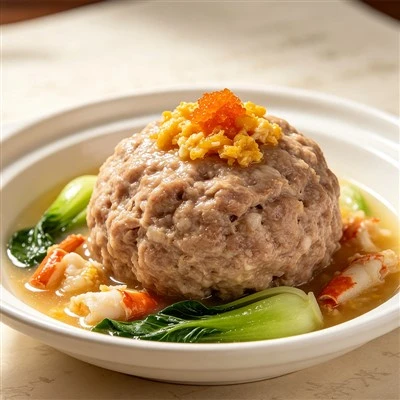
First, let’s talk about the meat — this is where most people mess up. You don’t need the fancy loin cuts that cost $15 a pound (been there, wasted cash on those for braising — they fall apart too fast and get mushy). The key here is “marbling and connective tissue,” even if that sounds gross. Those things break down when you slow-cook beef, turning it melt-in-your-mouth tender, and they’re way cheaper than lean cuts. Wait, what cuts am I talking about? Chuck roll is my go-to — it’s got enough marbling to keep the meat juicy and enough collagen to make the braising sauce rich. Next up: brisket (the flat cut, not the point — save the point for brisket burnt ends, not braising). And if you’re really trying to save cash, ask your butcher for “beef shoulder clods” or even oxtail scraps — oxtail is perfect for braised beef because the bone adds depth, and you can get it for less per pound than chuck if you buy the right lot. Pro tip from my warehouse guys: always ask for “seconds” or “imperfect” cuts — they have tiny little nicks where the cut wasn’t perfect, but the meat is identical inside. We sell these to small food stalls all the time, and they never notice a difference.
But here’s the thing: buying the right cut is only half the battle. You have to trim it smart, not waste any of the good stuff. A lot of people throw out the hard, white fat on top of chuck, but that’s actually flavor gold — you just don’t want it all. Trim about 70% of the thick, solid white fat, leave a thin layer (like a layer on a sandwich) so it keeps the meat moist while it cooks. And that connective tissue? Don’t cut it off entirely — that’s the stuff that turns to gelatin, which makes your sauce thick and glossy without adding flour or cornstarch. Also, don’t over-cut the meat. If you cut it into 2-inch cubes (not 1-inch, not 3-inch), you get less shrinkage when it cooks. I’ve had home cooks cut it too small, and by the time it’s done, half of it’s gone. That’s a waste of cash right there.
Now, let’s talk about ingredients that add flavor without costing a fortune. The mistake everyone makes is buying expensive pre-made braising sauce or fancy spices. You can make a way better sauce with stuff you probably already have in your pantry, and it’ll cost pennies. First, aromatics: onions, garlic, ginger, carrots, celery. These are super cheap, and they form the base of every good braise. Don’t use the big, overpriced Vidalia onions — yellow onions work just as well, and they’re 50 cents a pound. Garlic? The bulk bin at the grocery store, not the pre-peeled ones (pre-peeled is a scam, trust me). Ginger? The fresh root in the produce section is cheap, and you only need a 1-inch chunk for a whole pot. Carrots and celery are also cheap — maybe $1 total for a whole bunch. That’s your base, and it doesn’t need anything fancy. Next, the “flavor boosters” — soy sauce (the regular kind, not the low-sodium or premium), oyster sauce (cheap brands work), and a splash of red wine or even beef broth. Wait, if you don’t want to buy wine (it’s just sitting there after the bottle is open), use a cheap balsamic vinegar — it adds that deep, tangy flavor without the alcohol. We use balsamic in a lot of our bulk orders because it’s consistent and way cheaper than wine for big batches. And spices? Cinnamon stick, star anise, black pepper, a bay leaf — these are all cheap, and you can use them multiple times (just strain them out when you’re done). The fancy smoked paprika or saffron? Save those for tacos or paella, not braised beef. They’ll add nothing extra, and they cost a fortune.
Here’s the big secret that most home cooks and even small restaurants miss: bulk cooking and freezing. I know, I know, “freezing food” sounds like it’s going to ruin the texture, but for braised beef, it’s the opposite. When you slow-cook it, then let it cool, then freeze it, the flavors meld even better, and the meat gets even more tender. And if you cook a big batch at once, you don’t have to pay for the full amount of meat over and over. Let’s do the math: if you cook 5 pounds of beef at a time, the cost per pound is way lower than cooking 1 pound every other night. Plus, you can portion it into containers for lunches, dinners, or even to sell as a side if you run a small food business. My regular customers — a bunch of hole-in-the-wall noodle shops — cook 20 pounds of braised beef every Monday, freeze it, and it lasts them the whole week. They told me they save about $300 a month doing that, and their customers swear it’s better than the stuff from the fancy restaurant downtown. Also, if you’re a home cook, freeze the leftover sauce! That’s another thing people throw out — the leftover braising sauce with all that gelatin? It’s perfect for pouring over rice, noodles, or even roasting veggies. You can freeze it in ice cube trays, so you just pop out a cube whenever you need it. No more wasting that good flavor.
Wait, what about cooking method? A lot of people use a slow cooker, which is fine, but if you have an oven, braising in the oven is way cheaper than using a pressure cooker (even though pressure cookers get the job done fast). Why? Because when you braise in the oven, you can use a lower temperature, so your electric or gas bill isn’t through the roof. I talked to a home cook last month who said she used her slow cooker for 8 hours straight and her electric bill went up $20. Oven braise: you put the pot in at 325°F, leave it for 2 hours, then turn it down to 225°F for another 2 hours. That’s less than 4 hours of active cooking time, and the oven isn’t running full blast the whole time. Also, don’t lift the lid! Every time you lift the lid, you let out steam, and you have to cook it longer to make up for it — that’s wasting energy and time, which is basically wasting money. I see this all the time when my customers come to pick up bulk beef — they’ll open the lid every 10 minutes to check, and I’m like, “Wait 2 hours, it’ll be fine.”
Another trick: don’t over-season. I get it, you want the beef to taste good, but if you add too much soy sauce or too many spices, you can’t fix it. Start with a small amount, taste as you go, and adjust. I’ve had a customer who added half a bottle of soy sauce because he thought “more is better,” and his braised beef was so salty it was inedible. He had to throw out $100 worth of meat and start over. That’s the kind of waste we’re trying to avoid. Also, use low-sodium broth if you’re worried about salt, or just add a splash of water if the sauce is too strong.
Wait, let’s talk about my side of the business, since I’m a braised beef supplier. I don’t sell the fancy, cut-to-perfection cuts that you see at high-end butcher shops. I sell the “restaurant-grade” cuts that are a little imperfect, but perfect for braising. My regular orders are for small restaurants, food stalls, and even catering companies that don’t want to pay the markup on the fancy cuts. We source our beef from local farms, so the quality is consistent, and we pass the savings on to you because we don’t have a fancy storefront or a bunch of middlemen taking cut. If you’re a home cook and you want bulk beef, we also sell small lots (10 pounds or more) that you can pick up or have delivered. No minimum order for regular small businesses, and we can help you pick the right cut for your needs — whether you’re making 1 pound for dinner or 50 pounds for a big event. The key to budget-friendly braised beef isn’t just cutting corners — it’s being smart about what you buy, how you cook it, and not wasting a single bit. You don’t have to sacrifice flavor or texture to save cash.
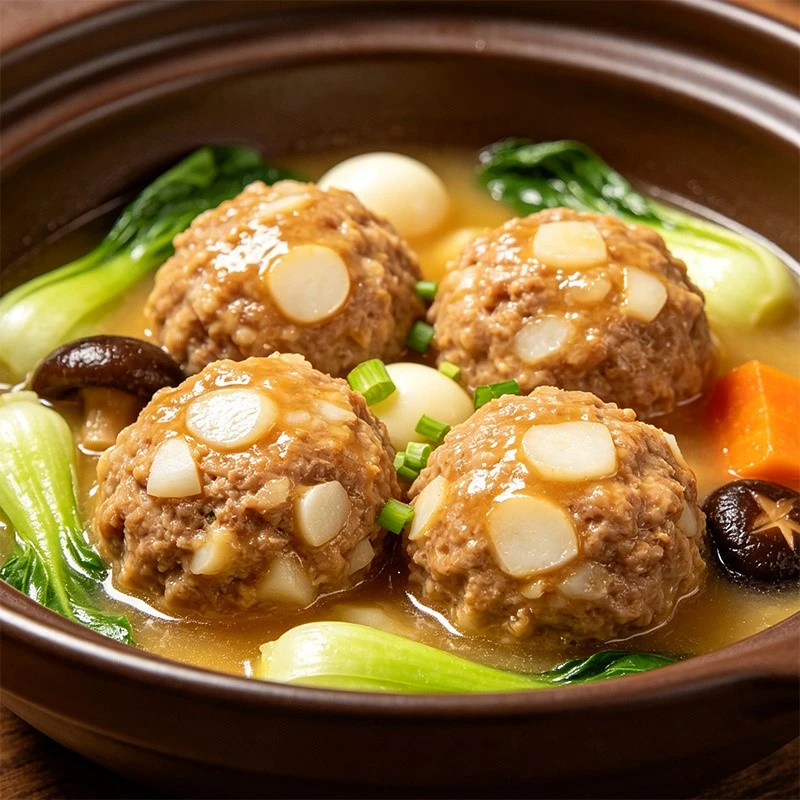
Let me recap the stuff so you don’t forget: 1. Pick the right cut: chuck roll, brisket flat, shoulder clods, oxtail (they’re cheap and get tender when slow-cooked). 2. Trim smart: leave a thin layer of fat for moisture, don’t waste connective tissue (it makes the sauce thick). 3. Make your own sauce: use cheap aromatics, soy sauce, vinegar, and spices from your pantry — pre-made sauce is a rip-off. 4. Batch cook and freeze: it saves money, makes flavor better, and cuts down on time. 5. Braise in the oven, don’t lift the lid: saves energy and time. 6. Work with a supplier that doesn’t mark up the cuts for fancy restaurants. If you’re a small business owner or even a home cook looking to cut costs on braised beef without losing quality, hit us up to chat about ordering or get more tips. We can customize orders, give you exact measurements for bulk cooking, and even share recipes that our regular customers swear by. You don’t have to overpay for braised beef to make it taste like it’s from a 5-star restaurant. It’s all about working smart, not hard — and being kind to your wallet.
References
Slow Braised Pork Belly Butler, R. (2020). The Budget Butcher: Cuts That Are Perfect for Braising. Culinary Press.
National Restaurant Association. (2021). Cost-Saving Strategies for Restaurant Food Service. Food Industry Publications.
Smith, J. (2022). Slow Cooking on a Budget: How to Stretch Meat and Flavor. Home Cook’s Guide.
Yangzhou Jingsheng Food Co., Ltd.
As one of the most professional braised beef manufacturers and suppliers in China, we’re featured by quality products and good service. Please feel free to wholesale bulk customized braised beef at competitive price from our factory. Welcome to contact us for quotation and free sample.
Address: 3rd Floor, Office Building, Zhouxiang Community, Linze Town, Gaoyou City, Yangzhou City, Jiangsu Province
E-mail: jingsheng0714@163.com
WebSite: https://www.jingshengfood.com/
