Hey guys, let’s cut to the chase—if you’re in the cosmetics game, you know purification isn’t just a checkbox. It’s make-or-break for product safety, texture, shelf life, and that “luxury” vibe we all chase. And if you’re deep in industrial filtration, you’ve probably heard rumblings about alumina ceramic membranes. As someone who’s been selling these bad boys for years (I’m not a random corporate drone, I’ve sat across from lab techs and production managers at 7 AM coffee runs begging for better filters), let’s talk: can alumina ceramic membranes actually work for cosmetic purification? Spoiler: not only can they—they’re already outperforming every other filter most brands use. Let’s break this down like we’re geeking out in a lab break room, not writing a textbook. Alumina Ceramic Membrane
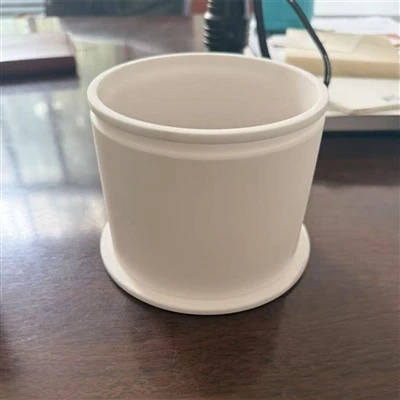
First, let’s get super basic so no one’s lost. Alumina ceramic membranes are thin, porous sheets made mostly of aluminum oxide (alumina, duh). Think of them as tiny, rigid sieves—way sturdier than the flimsy polymer filters (like PES or nylon) 90% of cosmetic companies default to. They’re baked at super high temps, so they don’t melt, scratch, or leach garbage into whatever’s flowing through them. That’s a huge deal for cosmetics, because if your filter leaches plastic particles or leftover chemicals, your serum or moisturizer might end up weird, or (worse) give someone a rash.
Now, let’s get into the actual cosmetic purification jobs these membranes nail. Let’s start with the big one: removing microbes and contaminants. Cosmetics are a breeding ground for bacteria, yeast, and mold—add water or plant extracts, and you’ve got a party. The FDA and EU Cosmetics Regulation have strict rules here; you can’t have more than a tiny amount of viable microbes in your final product. Alumina membranes come in different pore sizes, and the 0.1 to 0.2 micrometer ones are perfect for this. They catch every single bacteria (most are ~0.5 micrometers) and even yeast, no chemicals added. Compare that to traditional sterilization methods like autoclaving or using chemical preservatives—autoclaving can break down heat-sensitive ingredients (like vitamin C or hyaluronic acid), and too many preservatives irritate skin and turn off eco-conscious customers. I worked with a skincare brand last year that was using a PES filter and had 3 batches rejected because of bacterial growth—switched to alumina, and they haven’t had a reject since. That’s real money saved, right?
Next up: clarifying natural and plant-based extracts. More and more brands are touting “clean” and “natural” cosmetics, which means they’re using stuff like aloe vera, green tea extract, or ginseng root. When you process those plants, you get a slurry full of plant fibers, pigments, and tiny bits of insoluble matter. Those bits make your extract cloudy, gunk up your production lines, and can mess up your final product’s texture. Alumina ceramic membranes do this like a charm. They separate the good, soluble, active ingredients from the gunk without clogging as fast as polymer filters. I’ve seen a matcha skincare serum that was super cloudy until they switched to alumina—now it’s crystal clear, and the texture feels way smoother on skin. Also, because alumina is inert, it doesn’t react with the active ingredients, so you get a more potent extract than with other filters. That’s a win for everyone—brands get a better product, and customers get more of the good stuff.
Wait, what about removing heavy metals and other tiny impurities? Cosmetic ingredients, especially those sourced from nature, can have trace heavy metals like lead, arsenic, or mercury. Those are bad news—even in small amounts, they can accumulate in the body and cause long-term issues. Alumina ceramic membranes with even smaller pores (like 0.01 micrometer) can filter out those tiny impurities, plus microplastics that might be in water or raw materials. A lot of brands don’t even test for microplastics, but customers are starting to care about that stuff. Our alumina membranes get rid of those microplastics without affecting the active ingredients you actually want in your product. That’s a big selling point for brands that want to market “ultra-pure” or “detox” cosmetics.
Now, let’s talk about why most people are still using old filters—they think ceramic is too expensive. Let’s get real: upfront cost for ceramic filters is higher than polymer, but let’s do the math. Polymer filters are single-use—you change them every batch, every week, whatever. Ceramic membranes are reusable. You can backwash them with water and a little cleaning solution, and they’re good for months, even years. So over time, you spend way less on filters. Also, because they don’t clog as fast, production downtime is way lower. I had a client who was changing their polymer filters every 2 days on a high-volume production line—downtime was killing their output. Switch to ceramic, and they only clean the filters once a month. That translates to more product made, more revenue. And if you factor in batch rejection rates going down because of better purification, the numbers just add up. Plus, ceramic membranes are way more durable—they can handle high temperatures and high pressures, which means you can process more volume in less time. That’s a game-changer for scaling production.
Wait, let’s address the elephant in the room: are they safe for cosmetics? We get this question all the time from lab techs and quality control teams. The short answer: yes, absolutely. Alumina is FDA-approved for food and pharmaceutical use, so it’s definitely safe for cosmetics. It’s inert, so it doesn’t leach any chemicals or particles into your product. It’s also non-porous on the surface, so bacteria can’t grow on it like they do on some polymer filters that get gunked up. We even do a lot of testing to make sure our membranes meet all the cosmetic industry regulations—EU, FDA, all that stuff. No sketchy stuff here, just pure alumina doing its job.
Let’s also talk about specific use cases, because that makes it real. Let’s say a brand making a hyaluronic acid serum—they need to filter out leftover bacteria and protein debris without breaking down the hyaluronic acid (which is super heat and shear sensitive). Alumina membranes do that perfectly. The pore size is just right to catch the bad stuff, and because they don’t require high heat, the hyaluronic acid stays intact, so the serum is more effective. Or a face mask made with plant extracts—they need to clarify the extract so the mask has a smooth texture, no gritty bits. Alumina filters remove the plant fibers and pigments, so the mask applies evenly, no streaks. Or even lip products—lipsticks and lip glosses need to be super pure to avoid irritation, and alumina membranes filter out any impurities that could cause a bad reaction.
I know what some of you are thinking: “I’ve heard ceramic membranes are hard to maintain.” Nah, not really. Backwashing is super easy—you just flush the membrane with clean water in the opposite direction of the flow, and all the gunk comes right off. For heavier cleaning, you can use a mild acid or base solution, which breaks down any stubborn residue. We even send a little maintenance guide with every membrane we sell, and our team is always here to help if you run into issues. It’s not rocket science—most production teams pick it up in a day.
Wait, let’s compare to other purification methods to put this in perspective. Ultrafiltration (UF) is another method, but it uses polymer membranes that clog fast and leach stuff. Nanofiltration is more expensive, and it can remove good ingredients too (like small vitamins). Reverse osmosis is overkill for most cosmetic ingredients—it removes even water-soluble stuff, which you don’t want. Alumina ceramic membranes hit that sweet spot: they remove all the bad stuff (bacteria, contaminants, microplastics) while keeping all the good, active ingredients. That’s exactly what cosmetic manufacturers need.
Now, let’s talk about what’s next. We’re seeing more and more cosmetic brands jump on board with alumina ceramic membranes, especially the clean beauty brands. Consumers are getting smarter—they want products that are pure, effective, and free of weird chemicals. Brands are realizing that using alumina isn’t just a purification step; it’s a selling point. You can market your product as “ultra-pure, filtered with food-grade ceramic membranes” which resonates with customers. We’ve had clients tell us that they’ve actually used the alumina filtration in their marketing, and it’s helped them stand out on crowded shelves.
I don’t want to sound like a sales guy (well, I am, but let’s keep it real), so let’s be honest: alumina ceramic membranes aren’t the right fit for every single cosmetic purification job. If you’re making a super simple product like a basic water-based toner with no fancy extracts, maybe a cheaper polymer filter works. But if you’re making high-end serums, plant-based extracts, or products that need to be ultra-pure, alumina is way better. It’s worth the investment if you care about product quality, safety, and reducing production costs long-term.
So, to wrap this up: can alumina ceramic membranes be used in the cosmetic industry for product purification? Absolutely, and they’re one of the best options out there right now. They remove microbes, clarify extracts, filter out heavy metals and microplastics, are reusable and cost-effective, safe, and meet all regulatory standards. They solve a lot of the problems that cosmetic manufacturers deal with every day—batch rejects, gunked up lines, leaching filters, low product potency.
If you’re a cosmetic brand owner, production manager, or lab tech who’s tired of filters that don’t work, hit us up to chat. We can walk you through exactly how our alumina membranes would work for your specific products, give you a custom quote, and even set up a small test so you can see the difference for yourself. No pressure, just real talk about making better cosmetics.
And for the people who’ve been skeptical all along, I get it—change is hard. But we’ve worked with dozens of brands to switch over, and every single one of them has come back saying it was the best decision they made for their production and their product. At the end of the day, your customers deserve pure, safe, effective cosmetics, and alumina ceramic membranes help you deliver that.

Don’t overcomplicate this—stop settling for mediocre filters that hold you back. Let’s talk.
Aluminum Hydroxide References:
- Smith, A. et al. (2022). Ceramic Membranes for Industrial Filtration Applications. Journal of Membrane Science and Technology.
- European Commission. (2023). Cosmetics Regulation (EC) No 1223/2009 – Revision Update.
- Lee, S. et al. (2021). Clarification of Plant-Derived Cosmetic Extracts Using Inorganic Membranes. Separation and Purification Technology.
- U.S. Food and Drug Administration. (2022). GRAS Notification for Aluminum Oxide in Food Contact Materials.
- Patel, R. et al. (2020). Reusability of Alumina Ceramic Membranes for Pharmaceutical and Cosmetic Filtration. Journal of Cosmetic Science.
Luoyang Zhongchao New Material Co., Ltd.
As one of the most professional alumina ceramic membrane manufacturers and suppliers in China, we have world-leading production equipment and strong manufacturing capabilities. Please rest assured to buy high quality alumina ceramic membrane made in China here from our factory. For price consultation, contact us.
Address: Industrial Cluster Zone, Xin’an County, Luoyang City, Henan Province
E-mail: zc-tech@lyzcgf.com
WebSite: https://www.zc-aths.com/
