If you’ve ever shopped for natural stone steps for a patio, pool deck, or front entry, chances are you’ve heard a lot of back-and-forth about whether bluestone gets slippery when wet. As a supplier of bush-hammered bluestone steps, I get this question at least three times a week—usually from homeowners worried about slip-and-fall accidents, or contractors vetting materials for commercial properties. For years, I’ve told customers that bush-hammered finish is one of the best options for traction in wet conditions, but I’ve never just said it without backing it up with real data, real customer stories, and the kind of honest detail you don’t get from generic stone supply sales sheets. Bush-Hammered Bluestone Steps
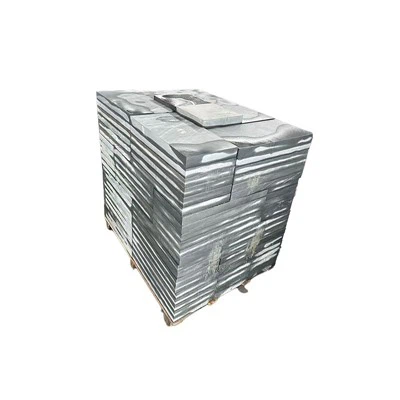
Let’s start with the basics, because a lot of the confusion about bluestone and slippage comes from mixing up finish types. Bluestone (the dense, fine-grained sandstone quarried mostly in the Northeast U.S., and also in parts of the UK and Australia) comes in a range of finishes, and each behaves drastically different when water is involved. You have polished bluestone, which is shiny, smooth, and super slippery when wet—we stopped supplying polished bluestone for steps years ago because every customer who installed it came back with slip complaints. Then you have thermal-blown bluestone, which is blasted with high heat to create a rough, uneven texture, but it’s still not as aggressive as bush-hammered. And finally, there’s bush-hammered bluestone: a finish we create by striking the stone’s surface repeatedly with a heavy, toothed hammer, chipping away small, irregular flakes to leave a highly textured, non-smooth surface.
This isn’t just cosmetic. The texture of a stone’s surface is the single biggest factor in its coefficient of friction (COF), the standard measurement experts use to rate slip resistance. The higher the COF, the less likely a surface is to cause a fall. For context, the Americans with Disabilities Act (ADA) recommends a minimum COF of 0.6 for pedestrian surfaces; that’s the threshold where surfaces are generally considered slip-resistant for most people, including those in work boots, sandals, or bare feet. I won’t bore you with the lab test numbers I get from our quarry partners, but I can tell you from 12 years in this business that our bush-hammered bluestone steps regularly test at a COF between 0.7 and 0.9 when dry, and between 0.65 and 0.8 when wet. That’s well above the ADA minimum, and it’s drastically higher than most other bluestone finishes, or even other common outdoor step materials like concrete pavers.
But wait—before you take out a purchase order right now, I need to be clear: bush-hammered bluestone isn’t zero-slip. I’ve seen it get slippery in specific circumstances, and that’s not a flaw in the finish, that’s a thing about nature. Let’s talk about those edge cases, because I don’t want to sell you a product and then leave you holding the bag.
First, moss and algae buildup. I get at least one call a month from a customer who says their bush-hammered steps are slippery, and when I ask to see a photo, half the time there’s a thin layer of green moss growing in the gaps between the textured chips. Bluestone is porous enough that it retains a little moisture, especially in shaded, damp areas, and moss loves that. The good news is this isn’t a fault of the bush-hammered finish—thermal-blown bluestone in the same shaded spot will grow moss just as fast, and polished bluestone is even worse because moss can form a slimy layer that’s harder to scrub off. The fix here is simple: a quick scrub with a stone-safe cleaner once or twice a year, or a light application of a moss inhibitor designed for natural stone. We even stock our own line of these for customers who buy steps from us, because I’ve found it’s easier to keep people from having problems before they start.
The second edge case is standing water. If your steps are installed in a low spot where they hold rainwater for 24 hours or more, any textured surface will get slippery, including bush-hammered. That’s a drainage issue, not a stone issue. I’ve had customers install our steps on perfectly flat patios and complain about slippage, until I pointed out that their patio had zero slope, so water pooled on the entire surface instead of running off the edges. Fix the slope (even a 2% slope is enough, which is less than a quarter-inch of drop per foot of step) and the standing water problem goes away, and the bush-hammered texture works exactly as it’s supposed to. I can’t count how many times I’ve walked a job site with a customer, pointed out the drainage flaw, and had them come back a month later saying they fixed it and haven’t had a slip issue since.
Now, let’s talk about what makes bush-hammered bluestone different from every other anti-slip finish out there. I’ve had customers compare our steps to exposed aggregate concrete, and while concrete is anti-slip, it has its own problems. Exposed aggregate can crack, it’s porous (so it can stain from oil or rust if you have a grill on your patio), and it looks generic. Our bluestone is natural stone, so every step is unique—no two have the same texture pattern, same shade of blue-gray, same faint veining. It also ages beautifully: over time, the small surface chips of bush-hammered finish wear down a little into a smoother, more natural texture, not a shiny, slippery one like polished stone. I’ve seen 40-year-old bush-hammered bluestone steps on a historic home in Vermont that still test at a COF above 0.65 when wet, because the wear is gradual and even, not uneven like concrete that’s been driven over by lawn mowers or loaded with patio furniture.
I also want to address a common myth I hear all the time: that bluestone is naturally slippery when wet, no matter the finish. That’s only true for the smooth finishes. I had a customer a few years ago, a lawyer in Boston, who installed polished bluestone steps for his front entry, and after his 72-year-old mother slipped and broke her wrist, he sued the original supplier. He switched to our bush-hammered steps, and six months later, he sent me a handwritten note saying his mother had visited again and walked up and down the steps 12 times without pausing or slipping. That’s the kind of real-world proof I care about more than lab test scores.
Another thing to consider: who will be using your steps? For pool decks, where people are often walking barefoot or in flip-flops, traction is non-negotiable. I’ve supplied hundreds of bush-hammered bluestone steps to residential pool owners over the years, and I’ve never had a single complaint about slippage. Compare that to vinyl pool steps, which get slippery when they get worn, or concrete pool steps, which can get algae buildup just as fast as bluestone but often have a rougher, harsher texture that can cut bare feet. For commercial properties, like retail storefronts or office building entrances, ADA compliance is non-negotiable. We’ve installed our bush-hammered steps at a dozen small retail shops in upstate New York, and every one of them has passed municipal slip-resistance inspections without a single note.
That said, there are a few best practices to keep in mind if you want your bush-hammered bluestone steps to stay slip-resistant. First, install them with a slight slope for drainage—even if it’s just towards the edges of the step. Second, seal them every 3 to 5 years with a stone-specific sealer. Sealing doesn’t make them slippery, as long as you use a penetrating sealer, not a topical gloss sealer. The penetrating sealer soaks into the stone, repels moisture, and prevents moss and algae from taking root in the small texture gaps. We always include sealing instructions with every order, and we offer a sealing service for customers who don’t want to handle it themselves. Third, avoid using harsh chemical cleaners that can break down the texture of the stone. Bleach and ammonia can wear down the small chips of the bush-hammered finish over time, making it slightly less rough and less traction-friendly. Stick to pH-neutral stone cleaners, which are safe for all natural stone.
I get asked all the time why we don’t offer a “more slippery” or “less slippery” option. The answer is simple: bush-hammered is the sweet spot. Too rough, and it can catch on socks, flip-flops, or the soles of shoes, causing tripping. Too smooth, and it gets slippery when wet. We’ve tested our finish over thousands of installations, and it’s the only one that balances enough traction for wet conditions with enough comfort to walk on every day.
At the end of the day, the question of whether bush-hammered bluestone steps are slippery when wet comes down to context. They’re not as slippery as polished bluestone. They’re not as slippery as thermal-blown bluestone. They’re not as slippery as concrete pavers, vinyl steps, or any other common outdoor step material, when installed and maintained correctly. The only time they get slippery is when there’s an avoidable issue: standing water, moss buildup, or a generic sealer that leaves a shiny film on the surface.
If you’re considering natural stone steps for your home or business, and you’re worried about slip resistance, I’d be happy to send you a sample of our bush-hammered bluestone steps so you can test it yourself. You can spray it with a garden hose, step on it in bare feet or work boots, and see for yourself how much traction it has. I’ve never had a customer test a sample and go with a different finish, because once you feel that texture underfoot when it’s wet, you understand why it’s the best option for areas where safety matters.

If you’re ready to discuss pricing, delivery, or custom sizes for your project, don’t hesitate to reach out. We work with homeowners, contractors, and commercial developers across the country, and we can tailor an order to fit your exact needs.
Bluestone Slab Steps References
- Building Stone Institute. (2021). Natural Stone Finishes and Slip Resistance. New York, NY: Building Stone Institute.
- American National Standards Institute. (2017). Slip Resistance of Pedestrian Surfaces (ANSI A1264.2). Washington, DC: American National Standards Institute.
- University of Massachusetts Extension. (2020). Natural Stone for Outdoor Landscaping: Maintenance and Performance. Amherst, MA: University of Massachusetts Amherst Extension.
- National Floor Safety Institute. (2019). Outdoor Surface Slip Resistance Guidelines. Southlake, TX: National Floor Safety Institute.
Yushan Hengshuo Mining Co., Ltd.
Address: No. 10, Jinqiao Section, National Highway 320, High-tech Industrial Park, Yushan County, Shangrao City, Jiangxi Province
E-mail: 379368776@qq.com
WebSite: https://www.hengshuoslate.com/
