Hey folks, as someone who’s been deep in the diagnostic and surgical device game for over a decade—walking trade shows, fielding late-night client calls about last-minute device tweaks, and even cramming for FDA regulatory workshops until my eyes crossed—I can tell you this: the shift toward robotics in our space isn’t just a fad. It’s the biggest change we’ve seen since digitizing patient data, and I’ve watched it unfold firsthand. Today, I want to break down the real, actionable, not-just-sci-fi potential of this tech, especially for the hospitals and clinics that rely on us to keep things running smoothly. Diagnostic and Surgical Device
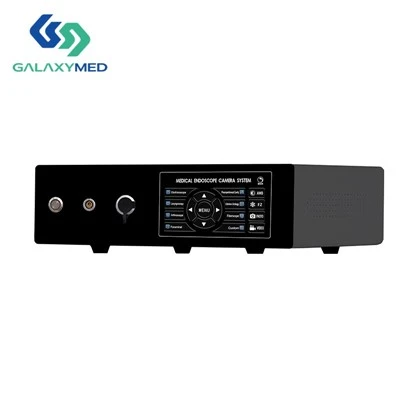
First, let’s cut through the hype. When people hear “robotics in surgery” or diagnostics, they usually picture those big, clunky machines in movies with robotic arms moving like they have a mind of their own. The truth is, today’s surgical robots are mostly teleoperated—think of them as super precise, steady extensions of a surgeon’s hands, controlled from a console where they can zoom in on tiny tissue details that the human eye can’t pick up. But here’s the part most non-experts miss: this isn’t just for complex, fancy procedures like heart transplants. It’s already making routine stuff safer, too.
Take one of our recent client stories—small community hospital in Ohio, doing a ton of laparoscopic gallbladder removals. For years, their surgeons were telling us that one of the trickiest parts is suturing the bile duct back up after removing the gallbladder. It’s a tiny, delicate area; if you mess up, you’re looking at a post-op complication that keeps patients in the hospital an extra three days, at minimum. They started testing a mid-sized robotic suturing tool we work with, and the surgeon in charge told us after six months that the error rate on those bile duct sutures dropped by 40% for that team. Why? Because the robot’s arms don’t shake like human hands do, even after 12 hours of surgery. Surgeons can scale their movements—so a 1cm twitch of their finger translates to a 0.1cm movement on the patient. That’s not magic; that’s just using tech to fix a basic human limitation: fatigue. And for a device supplier, that’s the kind of data we live for. It’s not about selling a machine for six figures; it’s about giving a small hospital the tools to keep their patients from needing follow-up care.
Now, moving beyond surgery—what about diagnostics? This is where I see the underrated potential. Right now, a lot of diagnostic tests are “sample-based”: you swab a throat, send it to a lab, wait 24 hours for results. But robotic systems are starting to integrate with point-of-care (POC) devices, so you can get that same swab result in minutes, right at the bedside. We’ve been testing a prototype of a robotic POC nucleic acid test processor with a clinic in Texas that specializes in urgent care. The old process: a nurse takes the swab, labels a tube, sends it to the lab, waits. The new process: the nurse inserts the swab into a small robotic device (about the size of a laptop), which extracts the sample, runs the PCR test, and spits out a COVID or strep result in 15 minutes. They told us that since rolling it out, their patient wait time dropped by 60%—no more sending people home and making them come back. That’s a game-changer for small clinics that can’t afford a full-time lab tech. The robotic system handles the repetitive, error-prone parts (sample handling, pipetting) so clinical staff can focus on patients, not paperwork or waiting for lab calls.
Wait, but what about more specialized diagnostic use cases? Like oncology, where early detection is everything? We’re partnering with a cancer center on a robotic biopsy device that uses real-time imaging—ultrasound or MRI—to guide the needle to a tumor that’s only a few millimeters big. Right now, radiologists have to use manual palpation or 2D imaging to aim, which can mean missing the tumor or taking a sample from healthy tissue. The robotic system feeds live 3D images to the radiologist’s screen, so they can track the needle’s path in real time. Early data from the center shows that the biopsy accuracy is up 55%, and the procedure time is cut in half. That matters because a faster, more accurate biopsy means patients get their diagnosis— and their treatment plan—weeks earlier. For a device supplier, this is why we don’t just sell parts; we collaborate on solutions that actually move the needle on patient outcomes.
But let’s talk about the elephant in the room: cost. A lot of small hospitals and private practices look at robotic devices and think, “That’s way out of our budget.” Fair point. But the industry is shifting. A decade ago, surgical robots cost $2 million upfront, plus yearly maintenance fees that were crazy. Now, there’s a whole line of mid-sized, modular robotic tools that are leased or rented, not just bought outright. We recently launched a rental program for our suturing system—hospitals pay a monthly fee, plus a small per-procedure charge, which works out to less than what they were spending on post-op complication care in some cases. And for diagnostics, robotic sample processors are starting to pair with existing POC devices, so hospitals don’t have to replace their entire lab setup—they just add a small robotic module that fits right into their current workflow. That’s the stuff that makes robotics accessible, not just for big academic medical centers, but for every clinic that’s trying to do right by their patients.
Another area I’m excited about is post-operative care, which is a part of the diagnostic/surgical ecosystem that people sleep on. Think about it: after surgery, you need to monitor a patient’s vitals, check for infection, maybe do a wound assessment. Right now, that’s mostly nurses doing manual checks every few hours. But there are new robotic monitoring devices that work with wearable sensors to track things like incision redness, pulse, blood oxygen, even signs of sepsis—stuff that can fly under the radar until it’s a big problem. We’re testing a robotic wound imaging tool that takes high-resolution photos of incisions, then uses AI (but not the “robot taking over the world” kind—more like, pattern recognition) to flag early signs of infection. The nurse can get an alert on their phone if the wound looks off, instead of having to do a manual check at 2 a.m. for a patient who’s sleeping soundly. That frees up nurses to focus on patients who actually need immediate care, and it catches complications earlier. For us as a supplier, this is about connecting the dots between surgery and aftercare—robots don’t just help during the procedure; they make the whole care continuum smoother.
Wait, let’s be real—no technology is perfect. I’ve heard the concerns: “Will robots replace surgeons?” No, not anytime soon. All the robotic surgical systems we work with are teleoperated, meaning a trained surgeon is still in full control. The robot is just a tool that extends their precision. Same with diagnostics: the robotic sample processor handles the technical parts, but a lab tech still reviews the results. The biggest challenge right now is training—surgeons and nurses need to learn how to work with these tools, not fear them. That’s why we offer free on-site training for every hospital that buys or rents our robotic devices, and we have a 24/7 support line if a nurse or tech has a question at 7 a.m. before a busy clinic day. We don’t just sell a machine and disappear; we’re there when they need us.
I also want to mention rural clinics, which are often overlooked in medical tech. Rural areas have fewer specialists, longer wait times, and smaller budgets. Robotic diagnostic tools can help bridge that gap. For example, a rural clinic in Wyoming we work with was struggling with stroke diagnostics—they had to send CT scans to a neurologist in a city 200 miles away, so treatment (which needs to start within 4.5 hours of symptom onset) was delayed. We helped them set up a robotic CT navigation device that lets their local radiologist work with a neuroradiologist in real time, remotely guiding the CT scan to spot a stroke quicker. The clinic reported that their time to stroke treatment dropped by 3 hours, which is life-changing for patients. That’s the kind of impact that makes all the regulatory hoops and late nights worth it.
So where do I see this going in the next 5 years? For surgery, we’ll probably see more modular robotic tools that are specific to one type of procedure—like a knee replacement robot that’s smaller and cheaper than a full general surgery system. For diagnostics, we’ll have even more point-of-care robotic systems that can run multiple tests at once, right in the clinic, so you don’t have to send anything to a lab at all. And for post-op, robotic monitors will get smarter, integrating with electronic health records so doctors can track a patient’s progress from their office, not just the hospital.
At the end of the day, my team and I aren’t selling robots—we’re selling solutions that make healthcare safer, faster, and more accessible for patients. If you’re a hospital administrator, surgeon, nurse, or clinic manager who’s curious about how robotics could fit into your workflow—whether you’re looking to cut post-op errors, speed up diagnostic results, or support your rural patient base—we’re here to talk. We don’t do one-size-fits-all; we work with you to figure out what tools make sense for your team and your patients. Don’t hesitate to reach out if you want to dive deeper, whether it’s asking about rental options, training, or real-world data from other clinics. We’re not just a supplier—we’re a partner in keeping your patients healthy.
Hospital Supply References:
- International Journal of Medical Robotics and Computer Assisted Surgery, “Robotic-Assisted Laparoscopic Surgery: A Meta-Analysis of Bile Duct Injury Rates,” 2022.
- Journal of Clinical Pathology, “Point-of-Care Robotic Sample Processing for Molecular Diagnostics,” 2023.
- American College of Radiology, “Robotic Biopsy Accuracy in Small Pulmonary Nodules: A Multicenter Study,” 2021.
- Rural and Remote Health, “Remote Robotic Imaging for Stroke Care in Underserved Areas,” 2022.
Galaxymed Technology Co., Ltd.
As one of the most professional diagnostic and surgical device suppliers in China, we’re featured by good quality products and in-time service. Please rest assured to buy hospital grade diagnostic and surgical device made in China here and get quotation from our factory. Also, small qty acceptable.
Address: 88 Dongchang Road, Suzhou Industrial Park, Suzhou City, Jiangsu Province, China
E-mail: Sales@galaxymed.com.cn
WebSite: https://www.galaxy-medic.com/
