When you walk around a home or commercial space, you might spot frayed electrical wires tucked behind a baseboard, a cracked insulation on an outdoor extension cord, or a small burn mark on a power cord you use for your workshop tools. As an electric wire supplier who’s worked with tradespeople, DIYers, and facility managers for over a decade, I can tell you that damaged wires are one of the most common (and most dangerous) electrical hazards people overlook. A frayed wire might seem like a quick fix, but cutting corners here can lead to shocks, fires, or even equipment damage—something we see too often when customers bring in replacement parts for repairs that went wrong. Electric Wire
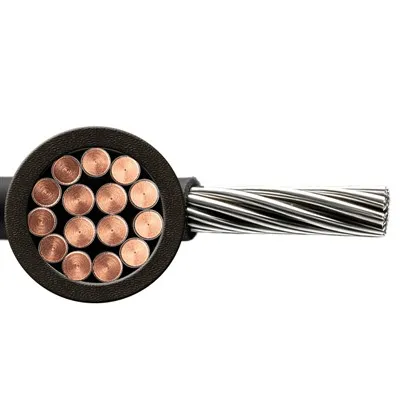
First, let’s cut through the noise: not all damaged wires are repairable. That’s a critical point many people miss. A wire that’s been chewed through by a rodent, frayed at the point where it bends repeatedly (like the plug end of a vacuum cleaner), or has exposed copper that’s corroded from water damage is usually too far gone to fix. But if the damage is small—say, a 1 to 2 inch section of insulation nicked, or a single broken strand out of a 12-strand copper wire—repair is safe and cost-effective, especially if the wire is part of a hard-to-reach setup or a longer cord that you don’t want to replace entirely.
Before you touch anything, safety is non-negotiable. I’ve seen too many people grab a wire without turning off the power first, and that’s a mistake that can land you in the hospital. Even if the wire isn’t plugged into a device, if it’s connected to a circuit breaker or fuse box, there’s still live current running through it. Step one: turn off the corresponding circuit at your breaker box, then test the wire with a non-contact voltage tester to make sure there’s no power. The tester will beep or light up if there’s voltage, so don’t proceed until it’s clear.
Now, let’s break down the step-by-step repair for a low-voltage or standard household electrical wire (we’re not talking about high-voltage industrial cables here—those should only be handled by licensed electricians). Let’s use a 14-gauge copper wire, common for home outlets and small appliances, as an example. The tools you’ll need are simple: a wire stripper (not a utility knife, which can nick the copper strands), electrical tape (make sure it’s vinyl electrical tape, not regular packaging tape—regular tape doesn’t insulate properly), a heat shrink tube (optional, for a more durable, weather-resistant seal), and a pair of wire cutters. If the damage is only insulation (not the copper strands themselves), we can start there.
First, prepare the damaged section. If the insulation is nicked, you’ll need to cut back the insulation on both sides of the nick to get to intact, unexposed copper. Use your wire stripper to remove about 1 inch of insulation from each end of the damaged area—make sure to set the stripper to the correct gauge for your wire, so you don’t cut through the copper strands. If the wire has broken copper strands (not just nicked insulation), you’ll need to join two ends of wire together. Twist the exposed copper strands firmly together, then add a wire nut designed for your wire gauge to secure the connection. Twist the nut clockwise until it’s tight, then give the wire a gentle tug to make sure it doesn’t come loose.
Once the copper is secured, it’s time to insulate. If you’re using electrical tape, wrap it tightly around the entire connection and the exposed insulation on both sides of the join. Start at least half an inch away from the new insulation (if you’re joining two pieces of wire) or the undamaged insulation (if you’re just repairing a nick), and wrap overlapping layers by half the width of the tape. Do this at least 5 times to make a thick, secure seal. For an extra layer, especially if the wire is going to be outside or subjected to movement (like an extension cord), slide a heat shrink tube over the repaired area, then use a heat gun (on low heat, to avoid melting the wire) to shrink the tube tight. Heat shrink is more durable than tape, and it resists moisture and UV damage, making it a better choice for outdoor or frequent-use wires.
Now, a quick note on when to skip repair and replace the wire. If the damage is more than 10% of the wire’s diameter, or if multiple strands are broken, replacement is the safer bet. As a wire supplier, we see customers try to repair wires that are half-chewed through, and those almost always fail. A wire’s insulation is designed to protect all the strands evenly, so a damaged section means the wire is weaker there—even if you repair it, it’s at higher risk of failing in the future. Also, if the wire is part of a permanent installation (like in a wall or ceiling), a small nick might seem harmless, but it can rub against wood or other materials and cause a short circuit. In that case, it’s often easier to run a new wire than to repair the old one.
Another common mistake people make: using the wrong type of electrical tape. Regular duct tape or packing tape isn’t designed to withstand the heat from electrical currents, so it will break down over time, leaving exposed copper. Vinyl electrical tape is rated for up to 600 volts, which covers most household wires, so always use that. For outdoor applications, we also recommend using a wire with UV-resistant insulation, which is something our team can help you source if you need a replacement.
Let’s talk about a real-world example, because I know how easy it is to get theoretical. Last year, a customer brought in a frayed vacuum cleaner cord— the insulation was worn through right where the cord bends at the plug end. They tried to wrap it with packing tape, which lasted two weeks before the insulation split again. We walked them through the repair: we stripped the damaged section, twisted the intact strands, used a wire nut to join the broken part, then wrapped the entire thing with vinyl electrical tape, then added a heat shrink sleeve. That cord has worked flawlessly for over a year now, and it cost them a fraction of a new vacuum.
Of course, if you’re not comfortable working with electrical wires, that’s okay. Always hire a licensed electrician for any work on permanent installations, or for wires that carry high voltage. But for small, low-voltage cords (like extension cords, appliance cords, and small power tools), the repair process is simple and safe when done correctly.
Once you’ve completed the repair, test the wire before you put it back to use. Plug the device into a working outlet, then use your non-contact voltage tester again to make sure there’s no stray current, and that the connection is solid. If it doesn’t work, double-check your wire nut and tape wrap—loose connections are the most common reason a repair fails.
At the end of the day, repairing a damaged wire isn’t just a money-saver—it’s a safety step. A small nick or fray can turn into a fire hazard if ignored, and we’ve seen too many preventable incidents because people thought “it’s just a small damage.” As a wire supplier, we’re here to help you with all your wire needs, whether that’s replacement wire for a repair, a new cable for a permanent installation, or advice on the best products for your specific project. If you have questions about a damaged wire or need to source wire for your next repair, don’t hesitate to reach out to our team to discuss your requirements.
RF Coaxial Cable References
- National Electrical Code (NEC) Article 300.5, "Insulation and Shielding"
- Occupational Safety and Health Administration (OSHA) Electrical Safety Guidelines, 29 CFR 1910.333
- Underwriters Laboratories (UL) Standard 810, "Electrical Insulating Tape"
- Electrical Construction Maintenance (EC&M) Magazine, "Proper Repair of Damaged Electrical Cords"
Yangzhou Huayu Cable Co., Ltd.
Yangzhou Huayu Cable Co., Ltd. is one of the most professional electric wire manufacturers and suppliers in China, also supports customized service with low price. Please feel free to wholesale advanced electric wire made in China here from our factory. Contact us for pricelist.
Address: No. 9 Jingang Road, Yangzhou City, Jiangsu Province, China
E-mail: huayucableco@126.com
WebSite: https://www.huayucabletech.com/
